
Is Heavy-Duty Grating Always More Cost-Effective? | Chinese Supplier’s Practical Guide
As a professional Chinese grating supplier, we analyze whether heavy-duty grating is more cost-effective than light-duty options, based on load demands, application scenarios, and long-term maintenance costs.
tonybuy
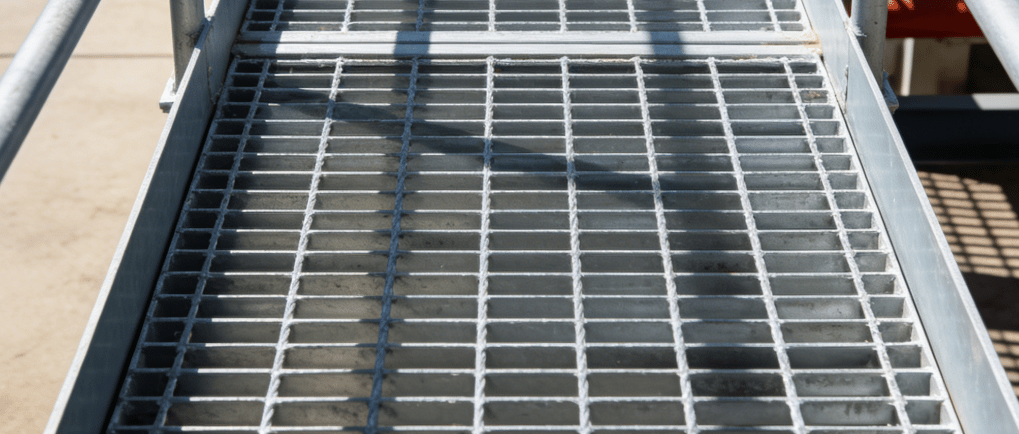
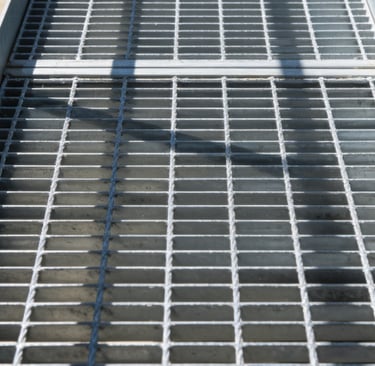
When sourcing grating from Chinese manufacturers, many global buyers ask: Is heavy-duty grating always more cost-effective? The short answer is no—cost-effectiveness depends on your specific project requirements, not just the grating’s load rating.
As a leading Chinese supplier with 10+ years of experience serving B2B clients in construction, industrial, and infrastructure sectors, we break down the key factors to help you make the right choice.
1. Cost-Effectiveness Depends on Load Requirements
Heavy-duty grating has higher upfront costs due to thicker steel—typically 6–12mm flat steel compared to 3–5mm for light-duty options—plus tighter grid spacing and reinforced welding processes. For projects that only need to bear pedestrian traffic or light carts, choosing heavy-duty grating means overpaying for unnecessary load capacity that will never be used.
Take a factory walkway project as an example: it only requires 1–2 tons per square meter load capacity. Light-duty Q235 cold-galvanized grating costs $12–20 per square meter, while heavy-duty Q355 hot-dip galvanized grating costs $25–38 per square meter. Opting for heavy-duty here would increase material costs by 100% or more without adding any practical value. On the contrary, a port container yard needs to withstand 10+ tons per square meter forklift loads. Light-duty grating would fail quickly in this scenario, leading to high replacement costs and costly project downtime. In this case, heavy-duty grating is far more cost-effective in the long run.
2. Long-Term Maintenance Costs Matter More
Cost-effectiveness isn’t just about upfront price—it also includes long-term maintenance expenses and service life. Chinese suppliers typically provide the following data for global clients to reference. Light-duty Q235 cold-galvanized grating has an upfront cost of $12–20 per square meter, a service life of 5–8 years, and requires annual rust inspection and touch-ups to maintain performance. In contrast, heavy-duty Q355 hot-dip galvanized grating has a higher upfront cost of $25–38 per square meter, but a service life of 20–25 years with no major maintenance needed during that period.
For outdoor corrosive environments such as coastal areas, heavy-duty 316 stainless steel grating—priced at $110–150 per square meter—boasts a service life of 30–35 years. This eliminates the frequent replacements that would be required with light-duty options, making the higher initial investment well worth it over time.
3. Chinese Supplier’s Tip: Match Grating to Scenario
We often advise clients to avoid “over-engineering” with heavy-duty grating when it’s not needed. Here are our practical recommendations. Choose light-duty grating if your project is for pedestrian walkways, office drainage covers, or indoor stair treads—its lower upfront cost combined with sufficient performance delivers maximum cost-effectiveness. Choose heavy-duty grating if you need to support heavy machinery, forklifts, or regular vehicle traffic—its higher upfront cost is fully offset by a longer service life and zero replacement downtime.
FAQ: From Chinese Supplier’s Practice
Q1: Can Chinese suppliers customize grating to balance cost and performance?
A: Yes. We can adjust flat steel thickness, grid spacing, and surface treatment—such as partial hot-dip galvanizing—to meet your exact load needs. This approach helps you avoid overspending while ensuring the final product complies with international standards including ANSI and ISO.
Q2: How do shipping costs affect the cost-effectiveness of heavy-duty grating?
A: Heavy-duty grating is heavier, so sea freight costs are higher. But Chinese suppliers often offer consolidated shipping for bulk orders, which significantly reduces per-unit freight costs. For small orders, light-duty grating may be more cost-effective due to lower shipping fees.
Q3: Is heavy-duty grating more cost-effective for long-term projects?
A: It depends on the project timeline. For projects lasting 5 years or less, light-duty grating is the better choice. For projects with a 10+ year lifespan, heavy-duty grating saves more money on maintenance and replacement costs over time.
Conclusion
Heavy-duty grating is not always more cost-effective. The key is to align the grating’s load capacity, material, and service life with your project’s actual needs. As a trusted Chinese supplier, we help global clients optimize grating selection—reducing costs without compromising quality.
Whether you need light-duty grating for a small commercial project or heavy-duty options for large-scale industrial sites, we provide factory-direct prices and customized solutions.

Get in touch
Address
ABZ industrial zone,Shenzhou,Hengshui City,Hebei Province,China.
Contacts
0086-18633908188
tony.buy@gmail.com