
Light Duty vs Heavy-Duty Grating: Key Differences from a Chinese Supplier’s Expert Perspective
As a trusted Chinese grating manufacturer, we clarify core distinctions between light and heavy-duty grating to help you make cost-effective, project-fit choices.
tonybuy
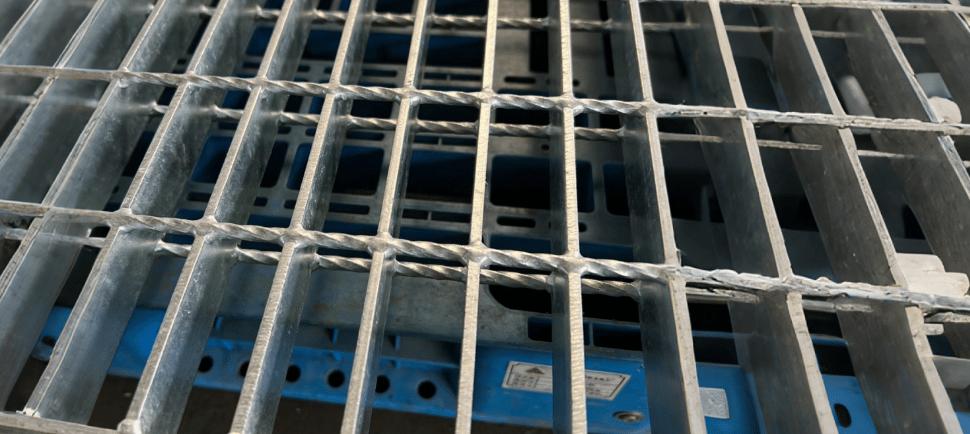
Grating is a staple in industrial, commercial, and infrastructure projects worldwide. But choosing between light duty and heavy-duty options often stumps buyers—especially with global project standards to consider. As a leading Chinese supplier, we break down the differences based on real-world production, certification, and application experience.
Core Differences: Light Duty vs Heavy-Duty Grating
1. Load Capacity & Certification
Light duty grating: Supports 1–2 tons per square meter (ISO standard) or under 2,000 lbs (ANSI A112.21.1M). It’s ideal for pedestrian traffic, hand trucks, or light carts.
Heavy-duty grating: Handles 5–50 tons per square meter, meeting AASHTO H-20 load ratings and EN 1433 Class C/D standards. It withstands forklifts, heavy trucks, and industrial machinery impact.
2. Material & Manufacturing Specifications
Light duty grating: Uses 3–5mm thick flat steel with 20–30mm width, paired with thin twisted square steel. Grid spacing is larger (e.g., 30×100mm) for weight reduction and drainage.
Heavy-duty grating: Features 6–12mm thick flat steel (40–80mm width) and thick twisted square steel. Tighter grid spacing (20×50mm) and reinforced welding ensure structural stability.
3. Application Scenarios
Light duty grating: Common in sidewalks, residential drainage, factory walkways, and architectural ceilings. It balances functionality with cost-efficiency for non-heavy-load projects.
Heavy-duty grating: Deployed in ports, highways, industrial workshops, container yards, and airport aprons. Our hot-dip galvanized heavy-duty grating is favored for outdoor harsh environments.
FAQ: Answers from Chinese Supplier’s Practice
Q: Do Chinese manufacturers follow international standards for both grating types?
Yes. We adhere to ISO, ANSI, and EN standards. Light duty grating meets ADA requirements for pedestrian safety, while heavy-duty options are H-20 rated for global infrastructure projects.
Q: What’s the lead time difference between the two?
Light duty grating has a 7–10 day lead time (higher production volume). Heavy-duty grating requires 12–15 days due to thicker material processing and stricter quality checks.
Q: Is heavy-duty grating always more cost-effective?
Not necessarily. For pedestrian-only projects, light duty grating saves material and shipping costs. We help clients choose based on load requirements to avoid over-investment.
Why Choose Chinese Grating Suppliers?
Chinese manufacturers excel at balancing quality and cost. We offer customized specifications (size, material, surface treatment) for both grating types, with competitive pricing driven by mature supply chains. Our heavy-duty grating uses high-grade Q235/Q355 steel, and light duty options support OEM/ODM orders for global clients.
Whether you need light duty grating for residential projects or heavy-duty solutions for industrial sites, we ensure compliance with your local standards and timely delivery.

Get in touch
Address
ABZ industrial zone,Shenzhou,Hengshui City,Hebei Province,China.
Contacts
0086-18633908188
tony.buy@gmail.com